The concept of glamour has long been intertwined with the fashion industry, serving as a defining characteristic of beauty and allure. Traditionally, glamour was associated with a specific aesthetic—tall, slender models with flawless features gracing the pages of high-fashion magazines and walking the runways of elite designers. However, the evolution of the fashion landscape has ushered in a new era where female models are redefining glamour, embracing diversity and individuality while empowering others to do the same.
The transformation began as society started to challenge rigid beauty standards, advocating for a broader representation of women in fashion. Pioneers like Naomi Campbell and Tyra Banks were instrumental in this shift, breaking barriers and proving that beauty comes in many forms. They not only showcased their own stunning looks but also paved the way for future generations of models to embrace their uniqueness. This movement has gained momentum, encouraging brands to diversify their casting and reflect the rich tapestry of beauty that exists in the world.
One significant aspect of this change is the rise of the body positivity movement, which celebrates all body types and challenges the notion that beauty is limited to a specific size or shape. Models such as Ashley Graham and Paloma Elsesser have become leading figures in this movement, promoting self-love and acceptance through their work. Their visibility in mainstream media has transformed the narrative around body image, encouraging women of all sizes to embrace their bodies and reject societal pressures. This inclusive approach to glamour resonates deeply with consumers, who seek brands that represent their realities and values.
Social media has played a pivotal role in amplifying these changes, allowing models to connect directly with their audiences. Platforms like Instagram and TikTok have given rise to a new generation of influencers who leverage their platforms to advocate for diversity and authenticity. Models like Gigi Hadid and Bella Hadid have used their influence to promote various causes, from mental health awareness to environmental sustainability. This direct engagement creates a sense of community, enabling followers to relate to these models on a personal level, rather than seeing them solely as distant icons.
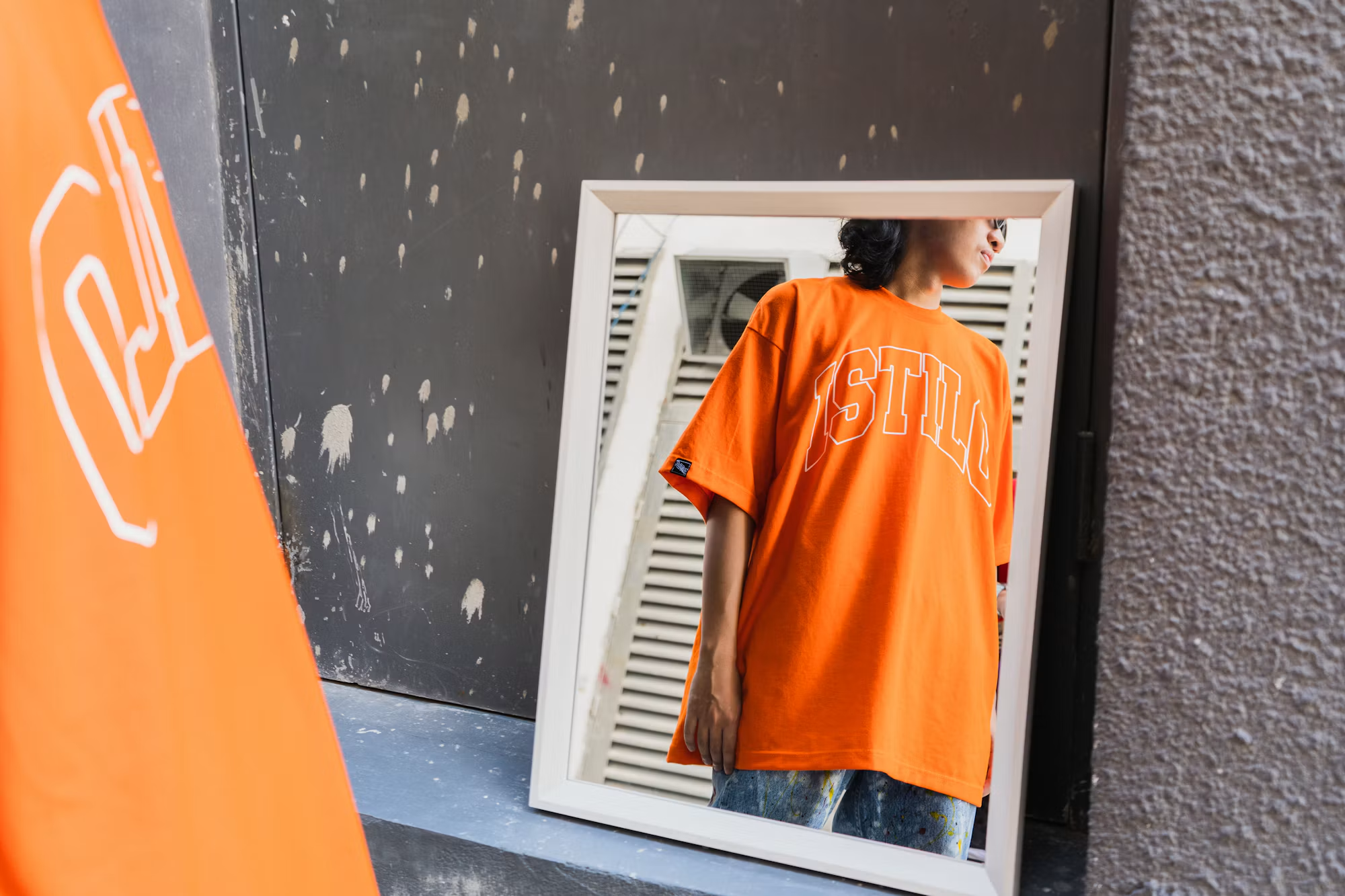
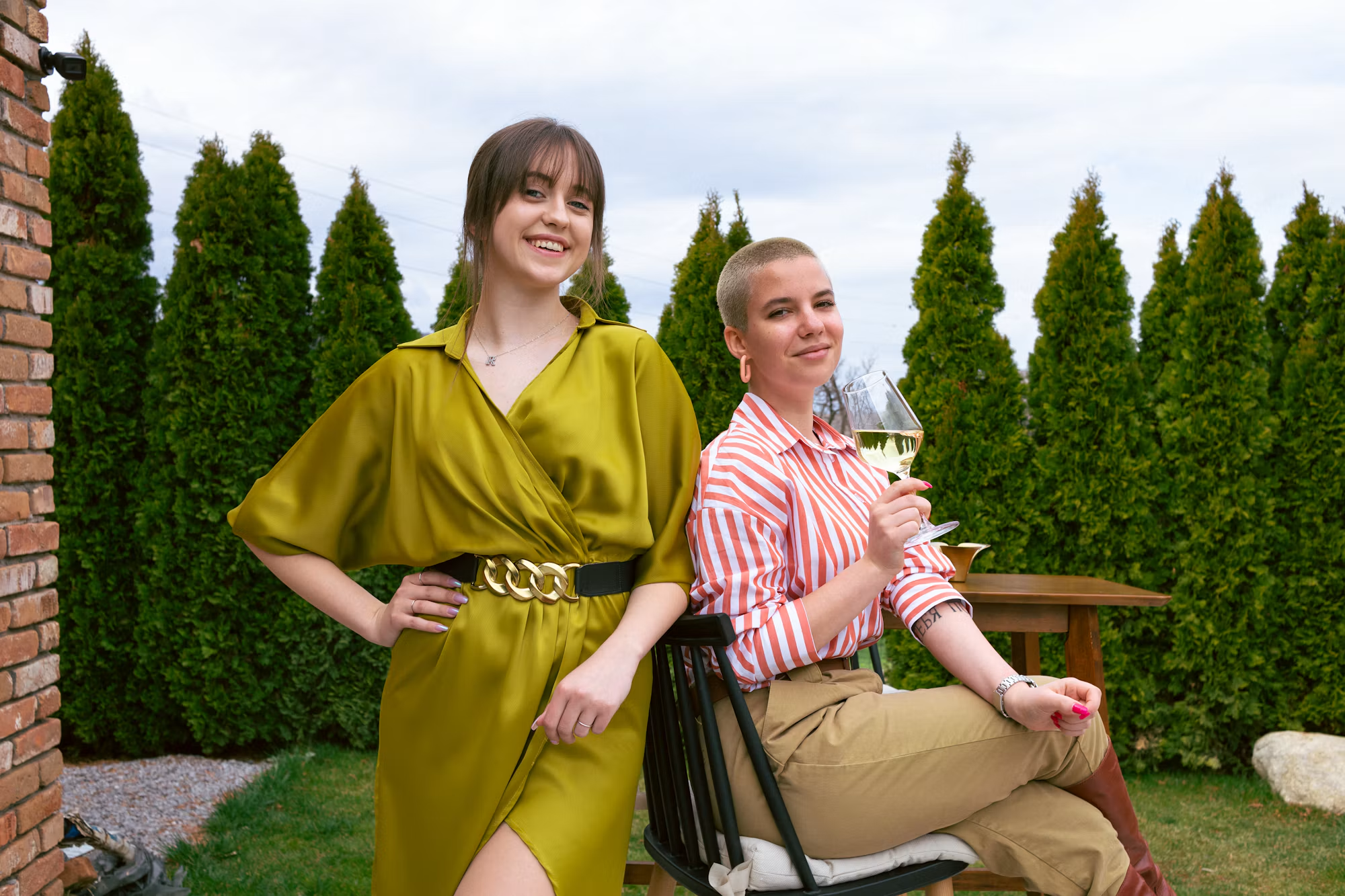
Within the evolving landscape of modeling, lifestyle modeling has emerged as a prominent category that emphasizes relatability. Unlike traditional modeling, which often focuses on high fashion, lifestyle models portray everyday moments and experiences. Whether it’s showcasing activewear during a workout or capturing family dynamics, lifestyle models create narratives that resonate with consumers’ daily lives. This shift toward authenticity allows brands to connect more deeply with their audience, fostering loyalty and trust.
Ethnic and cultural representation has become a central theme in modern fashion, reflecting the growing demand for inclusivity. As society becomes more multicultural, the need for models from diverse backgrounds is more critical than ever. Brands are beginning to recognize the importance of featuring a wide array of faces in their campaigns, challenging stereotypes and promoting a broader definition of beauty. Models like Liu Wen and Adut Akech have become powerful symbols of this change, inspiring individuals from various cultures to embrace their identities and see themselves represented in the fashion narrative.
Mature models have also made significant strides in redefining glamour, proving that beauty is timeless. The fashion industry is increasingly acknowledging the importance of featuring models over 40, showcasing their elegance and sophistication. Icons like Maye Musk and Paulina Porizkova exemplify the beauty of aging gracefully, encouraging older individuals to embrace their uniqueness and challenge age-related stereotypes. Their representation in advertising campaigns not only celebrates maturity but also inspires brands to cater to a wider demographic, enriching the fashion landscape.
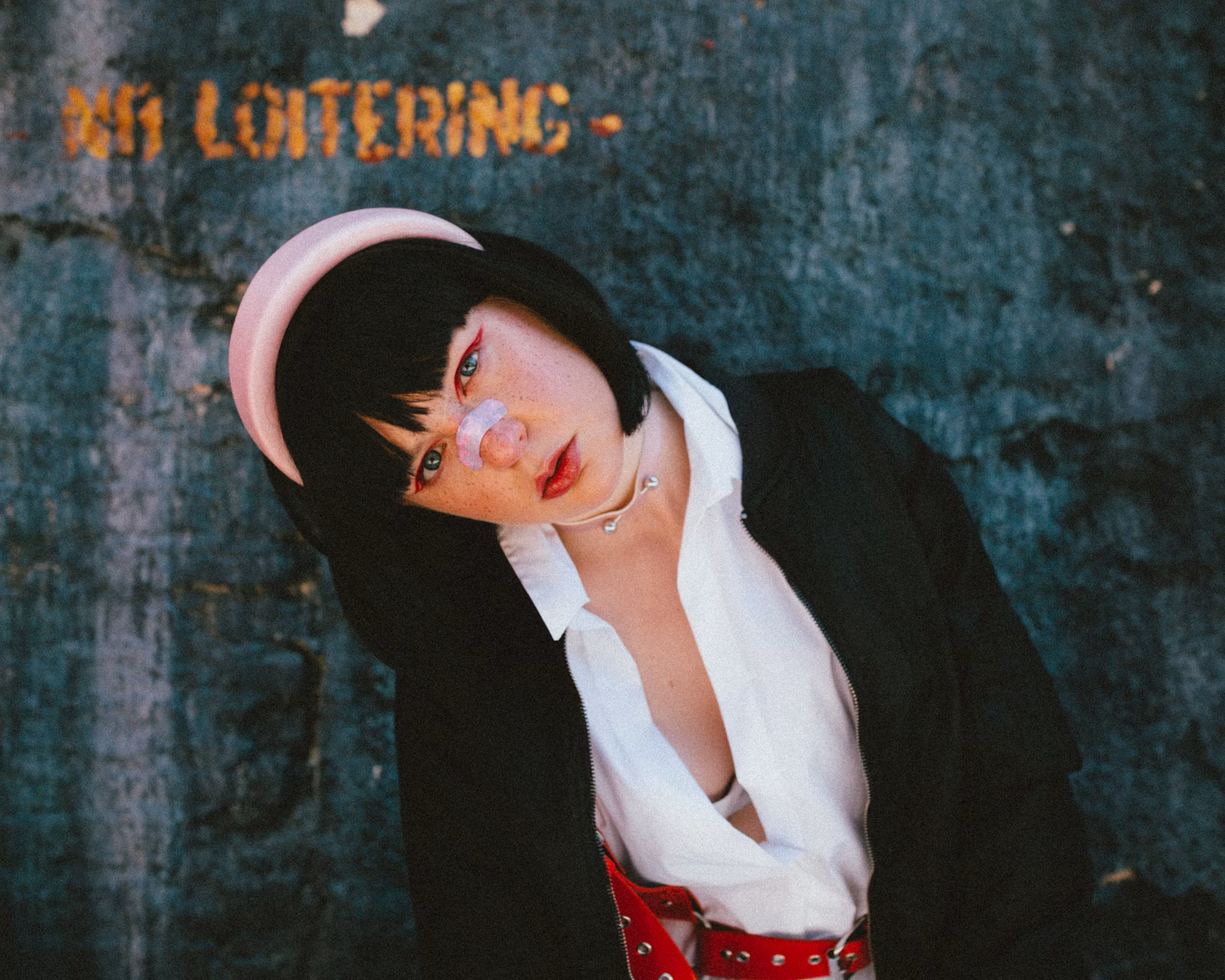
As we explore the various facets of female modeling, the role of fashion editorial models cannot be overlooked. These models collaborate with designers and photographers to create stunning visual narratives that highlight the latest collections. Editorial modeling is an art form in itself, emphasizing creativity and storytelling. It often sets trends, influencing public perceptions of beauty and style. By embodying the vision of designers, editorial models play a vital role in shaping the fashion dialogue.
Fit modeling is another essential component of the industry that contributes to the overall success of fashion. Fit models work closely with designers to ensure garments fit accurately and comfortably. Their insights are invaluable in the design process, bridging the gap between creativity and practicality. This category underscores the importance of functionality in fashion, reminding us that comfort should be prioritized alongside aesthetics.
Parts modeling, which focuses on showcasing specific body parts, adds yet another layer of complexity to the modeling world. This niche requires models to have aesthetically pleasing features, often highlighted in close-up shots for beauty and jewelry advertisements. Parts modeling celebrates the beauty of individual characteristics, emphasizing the artistry involved in marketing. This focus on detail broadens the definition of glamour, showcasing the diverse ways in which beauty can be presented.
Runway modeling remains an iconic aspect of the fashion industry, where models strut the catwalks, showcasing designers’ latest creations. Runway models embody confidence and poise, captivating audiences with their presence. This platform is crucial for designers to convey their artistic visions and set trends within the industry. The runway serves as a powerful stage for models, allowing them to define and redefine the concept of glamour with each step they take.
As sustainability becomes an increasingly pressing issue, many models are using their platforms to advocate for eco-friendly practices within the fashion industry. This movement reflects a growing consumer demand for transparency and responsibility. Models who champion sustainability not only contribute to positive change but also inspire consumers to make conscious choices in their purchasing habits. This advocacy reinforces the notion that glamour is not just about appearance; it encompasses values, ethics, and a commitment to creating a better world.
In conclusion, the transformative power of female models in the fashion industry cannot be overstated. They are redefining glamour, challenging traditional beauty standards, and celebrating the diverse expressions of individuality. As the industry continues to evolve, it is clear that the future of fashion will be shaped by authenticity, inclusivity, and a commitment to empowering women. By embracing this new narrative, the modeling world not only reflects the complexities of modern beauty but also resonates deeply with consumers, fostering a sense of connection and belonging. The ongoing evolution of glamour in fashion is a celebration of diversity, reminding us that beauty is not confined to one mold but is a rich tapestry of unique stories and experiences.